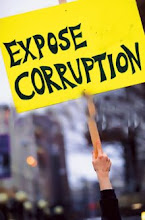
Driving Hyundai Into A Corner?
The authorities are minimising the gravity of the alleged cheating by Hyundai India, in underpricing cars and parts sold to its Korean parent, reports PC VINOJ
CARMAKER HYUNDAI has run into trouble after a Central Excise official accused it of cheating the government of an estimated Rs 3,000 crore in foreign exchange by undervaluing exports to its parent company. Manufacturing out of Sriperumbudur near Chennai, Hyundai Motor India is the country’s second-largest carmaker, selling about 3.3 lakh cars in 2007, of which about 50 percent were exports. Hyundai’s troubles with Central Excise Superintendent Samuel Wilson go back to 2004 when Wilson allegedly detected the company exporting cars and automobile components to its Korean parent company and other group entities at low prices. These were sometimes even below production cost, in violation of customs and excise rules and the Foreign Exchange Management Act.
Documents available with TEHELKA indicate that Wilson informed his seniors, but the department did not order an investigation. Based on Wilson’s reports, however, Fifth Pillar, a Chennai-based anti-corruption movement, has filed a case in the Madras High Court seeking a direction to the Revenue Department to take action against Hyundai. “It is one of the biggest scams in Indian corporate history. Top Revenue Department officials are in nexus with Hyundai to suppress the issue,” says activist T. Retna Pandian, who filed the petition.
According to Wilson, he got wind of the irregularities one month into his posting as superintendent of Central Excise, Poonamallee IV range. TEHELKA has a copy of the letter he wrote to Hyundai on August 9, 2004 — OC No:255/256/2004 — seeking clarifications on its exports pricing. The letter states: “It is observed from your export documents for thepast two years and also the present year, that you have been exporting cars, engine assemblies and spare parts to your parent company, viz., Hyundai Motor Corporation, Korea, and other group companies at nearly half the value of the cost of production.” The letter notes that the export price of a Santro in 2004 was less than the cost of producing a basic model of the car by sums ranging between Rs 58,000 and Rs 73,000. In the case of the Accent model, the difference ranged between Rs 1.22 lakh and Rs 1.49 lakh. Exported Santro engines were priced at $819.6 (approximately Rs 39,700 according to the then value), whereas the company had sold a defective engine of the same type for Rs 58,140 in the Indian market during the relevant period. The letter further points out that Hyundai was exporting engines for the Getz — a costlier model than the Santro — at $650 (at that time around Rs 30,000), far lower than even the Santro engine export price of $2,611 (then about Rs 1,25,200).
Hyundai’s reply was evasive, says Wilson. So, he wrote them another letter, reiterating the company’s violation of the rules. He also infor - med his senior, the Deputy Commissioner, Central Excise, Poonamallee Division, and submitted about 30 documents to back his claim. The documents, copies of which are with TEHELKA, seek to establish the vast difference between Hyundai’s export invoices and the cost of its cars as furnished by it to the Excise Department. For instance, in a statement to the department regarding its 2002-03 prices for cars, Hyundai had quoted the price of the Accent GVS as Rs 3.51 lakh. But the car’s price was lower by about a lakh, in an application to the Excise Department (No MC-00200029/02-03, dated September 12, 2002), related to exports to group company Hyundai Motor Algerie in Algeria.
In December that year, Wilson wrote again to his immediate boss about the violations, and suggested that an investigation be ordered. It was more than a year before he received a reply,dated February 7, 2006, in which the officer quoted the commissioner’s observation on the matter. “What is the issue from the Central Excise angle? If there is no Central Excise angle, why in the first place an investigation was commenced by the division/range?”
AFTER HIS seniors didn’t support him, Wilson shot off letters to the Prime Minister, the Union Finance Minister and the Chairman of the Central Board of Excise and Customs (CBEC). In a letter on July 29, 2006, he apprised them of the issues in contention and pleaded for “appropriate action”. Two months later, he received a reply from Rahul Nangare, an Under Secretary in the CBEC, asking him to meet the Chief Commisioner, Central Excise, Chennai. But when Wilson met him, he was allegedly informed that the CBEC had already decided there was nothing in the issues he had raised. Wilson then approached the Central Public Information Officer under the Right to Information Act, and requested information regarding the action taken on his report to the Prime Minister and its present status. If the file was closed, he wanted to know the basis on which it had been done and the details of the order, along with the file notings.
The response he got was shocking. In a letter dated February 26, 2007, an official, Kamal Dayani, noted that Wilson’s petition “could not be acted upon as it got mixed up with other papers and could not be readily located”. He was advised to contact the Revenue Department on the matter. After a series of letters, Sushil Solanki, Commissioner, CBEC, New Delhi, wrote that Wilson’s representation did not stand the scrutiny of law. Added to this was the observation of Jayendranath, Chief Commissioner, Central Excise, Chennai, who said that the “price variation between domestic clearances and exports is due to several duty concessions that accrue (to Hyundai) while exporting cars. Further, it is the prevalent practice adopted by most manufacturers-exporters to price their export at a competitive price, which is less than the domestic price.”
Wilson told TEHELKA, “It is a clever way of sidetracking the issue. I have always stated that the issue in contention relates to Hyundai’s export to parent and associate companies at below-production price, which is illegal. If it had exported cars to other parties at lower prices, it wouldn’t have been illegal.” Having ruffled too many feathers in the department, Wilson is now banking on legal and moral support from Fifth Pillar. According to activist lawyer Su Srivinvasan, who is appearing in the case on Fifth Pillar’s behalf, the case is due for hearing any day now, but none of the respondents had filed their counter affidavits even two months after notices were issued to them.
Jayendranath was not available when TEHELKA contacted his office. His secretary said DP Naidu, Additional Commissioner, Large Tax Payers Unit, was the officer dealing with Hyundai and directed Wilson to contact him. When contacted, Naidu refused to comment, saying the matter was in court. Hyundai Deputy General Manager (Corporate Communication), Rajiv Mitra, told TEHELKA: “The matter was investigated by the Commissioner of Excise and Customs and also by the Revenue Department. All allegations were found to be baseless. We consider these to be reliable and impartial authorities, and hence we do not feel that there is further need to comment on the matter.”
WRITER’S EMAILvinoj@tehelka.com
From Tehelka Magazine, Vol 5, Issue 38, Dated Sept 27, 2008
Documents available with TEHELKA indicate that Wilson informed his seniors, but the department did not order an investigation. Based on Wilson’s reports, however, Fifth Pillar, a Chennai-based anti-corruption movement, has filed a case in the Madras High Court seeking a direction to the Revenue Department to take action against Hyundai. “It is one of the biggest scams in Indian corporate history. Top Revenue Department officials are in nexus with Hyundai to suppress the issue,” says activist T. Retna Pandian, who filed the petition.
According to Wilson, he got wind of the irregularities one month into his posting as superintendent of Central Excise, Poonamallee IV range. TEHELKA has a copy of the letter he wrote to Hyundai on August 9, 2004 — OC No:255/256/2004 — seeking clarifications on its exports pricing. The letter states: “It is observed from your export documents for thepast two years and also the present year, that you have been exporting cars, engine assemblies and spare parts to your parent company, viz., Hyundai Motor Corporation, Korea, and other group companies at nearly half the value of the cost of production.” The letter notes that the export price of a Santro in 2004 was less than the cost of producing a basic model of the car by sums ranging between Rs 58,000 and Rs 73,000. In the case of the Accent model, the difference ranged between Rs 1.22 lakh and Rs 1.49 lakh. Exported Santro engines were priced at $819.6 (approximately Rs 39,700 according to the then value), whereas the company had sold a defective engine of the same type for Rs 58,140 in the Indian market during the relevant period. The letter further points out that Hyundai was exporting engines for the Getz — a costlier model than the Santro — at $650 (at that time around Rs 30,000), far lower than even the Santro engine export price of $2,611 (then about Rs 1,25,200).
Hyundai’s reply was evasive, says Wilson. So, he wrote them another letter, reiterating the company’s violation of the rules. He also infor - med his senior, the Deputy Commissioner, Central Excise, Poonamallee Division, and submitted about 30 documents to back his claim. The documents, copies of which are with TEHELKA, seek to establish the vast difference between Hyundai’s export invoices and the cost of its cars as furnished by it to the Excise Department. For instance, in a statement to the department regarding its 2002-03 prices for cars, Hyundai had quoted the price of the Accent GVS as Rs 3.51 lakh. But the car’s price was lower by about a lakh, in an application to the Excise Department (No MC-00200029/02-03, dated September 12, 2002), related to exports to group company Hyundai Motor Algerie in Algeria.
In December that year, Wilson wrote again to his immediate boss about the violations, and suggested that an investigation be ordered. It was more than a year before he received a reply,dated February 7, 2006, in which the officer quoted the commissioner’s observation on the matter. “What is the issue from the Central Excise angle? If there is no Central Excise angle, why in the first place an investigation was commenced by the division/range?”
AFTER HIS seniors didn’t support him, Wilson shot off letters to the Prime Minister, the Union Finance Minister and the Chairman of the Central Board of Excise and Customs (CBEC). In a letter on July 29, 2006, he apprised them of the issues in contention and pleaded for “appropriate action”. Two months later, he received a reply from Rahul Nangare, an Under Secretary in the CBEC, asking him to meet the Chief Commisioner, Central Excise, Chennai. But when Wilson met him, he was allegedly informed that the CBEC had already decided there was nothing in the issues he had raised. Wilson then approached the Central Public Information Officer under the Right to Information Act, and requested information regarding the action taken on his report to the Prime Minister and its present status. If the file was closed, he wanted to know the basis on which it had been done and the details of the order, along with the file notings.
The response he got was shocking. In a letter dated February 26, 2007, an official, Kamal Dayani, noted that Wilson’s petition “could not be acted upon as it got mixed up with other papers and could not be readily located”. He was advised to contact the Revenue Department on the matter. After a series of letters, Sushil Solanki, Commissioner, CBEC, New Delhi, wrote that Wilson’s representation did not stand the scrutiny of law. Added to this was the observation of Jayendranath, Chief Commissioner, Central Excise, Chennai, who said that the “price variation between domestic clearances and exports is due to several duty concessions that accrue (to Hyundai) while exporting cars. Further, it is the prevalent practice adopted by most manufacturers-exporters to price their export at a competitive price, which is less than the domestic price.”
Wilson told TEHELKA, “It is a clever way of sidetracking the issue. I have always stated that the issue in contention relates to Hyundai’s export to parent and associate companies at below-production price, which is illegal. If it had exported cars to other parties at lower prices, it wouldn’t have been illegal.” Having ruffled too many feathers in the department, Wilson is now banking on legal and moral support from Fifth Pillar. According to activist lawyer Su Srivinvasan, who is appearing in the case on Fifth Pillar’s behalf, the case is due for hearing any day now, but none of the respondents had filed their counter affidavits even two months after notices were issued to them.
Jayendranath was not available when TEHELKA contacted his office. His secretary said DP Naidu, Additional Commissioner, Large Tax Payers Unit, was the officer dealing with Hyundai and directed Wilson to contact him. When contacted, Naidu refused to comment, saying the matter was in court. Hyundai Deputy General Manager (Corporate Communication), Rajiv Mitra, told TEHELKA: “The matter was investigated by the Commissioner of Excise and Customs and also by the Revenue Department. All allegations were found to be baseless. We consider these to be reliable and impartial authorities, and hence we do not feel that there is further need to comment on the matter.”
WRITER’S EMAILvinoj@tehelka.com
From Tehelka Magazine, Vol 5, Issue 38, Dated Sept 27, 2008